Structured data helps Google show price, stock, shipping and returns correctly. Evidence that it lifts AI citations is mixed and mostly null, so we sell correct data, not a citation promise.
One product record, told the same way on every channel.
Shopify prints basic product markup for you. We read what your theme, apps and feeds really say, fix the gaps and show you the proof. We do not tell you markup will get you cited.
- 1,885pages tracked by Ahrefs after adding schema: no meaningful citation lift
- 7 May 2026the day Google stopped showing FAQ rich results
- 5 sourcesin the order Google uses when return and shipping rules conflict
- The basicsShopify's own words for what its default product markup covers

The honest start
What is already done for you, and what the evidence says
Shopify prints product markup on its own. The Dawn theme calls the structured_data filter in its product section. The filter writes a Product, or a ProductGroup when the product has variants. Shopify says the default output covers only the basics.
Google says there is nothing extra to add for its AI features. Its guide, last updated on 10 July 2026, says structured data is not required for generative AI search and there is no special schema.org markup to add. It also says to keep using markup for rich results.
The best test we found added JSON-LD to 1,885 pages and compared them with 4,000 matched pages. Citations in Google AI Mode and ChatGPT moved by amounts too small to tell from chance. Google AI Overviews citations fell 4.6 percent more on the pages that got markup than on the matched pages. Both groups were already falling. Other studies report that cited pages carry more markup, but those compare pages that already differ in many ways. The evidence for a citation lift is mixed and mostly null.
So what is markup for? It lets Google read price, stock, shipping and returns, and it lets Merchant Center and other parsers read the same facts. That is a correctness job. It is the job we sell.
What we will not say. We will not say markup gets you cited. We do not sell FAQ markup either: Google ended the FAQ rich result on 7 May 2026.
Already included
What Shopify ships, so you do not pay us for it
Most rows are done by the platform or by a free Shopify tool, and the agent files row is something we saw on stores. Our work starts where these stop.
| Piece | Who does it | What it covers | Where it stops |
|---|---|---|---|
| Product or ProductGroup markup | Your theme, through the structured_data filter | Name, brand, image and an offer with price, currency, availability and URL, as in Shopify's own sample output. Shopify's blog says images, brand and GTIN usually need adding, so we check each store. | Shopify's doc example shows an empty category and description. We have not confirmed that gtin prints when a barcode exists. |
| Blog post markup | The same filter, on the article object | Article markup for blog posts | Nothing for collections, pages or the home page. |
| Canonical tag | Your theme, using the canonical_url object | Every page | A theme or app can still change it. |
| Language and region tags | Shopify Markets | hreflang tags added to the theme automatically | Only for stores that use Markets. |
| Shopify Catalog | Shopify, automatically for eligible products | Title, image, price above zero, an online store or headless publication, and not unlisted or hidden from search | Shopify says inclusion does not promise a place in any answer. |
| Agent files | Served on three of the four stores we checked | /llms.txt, /agents.md, /llms-full.txt and a /.well-known/ucp profile returned HTTP 200 | Generic agent instructions, not your product data. Google ignores llms.txt. |
| Store facts for AI agents | Shopify Knowledge Base app, free | FAQs built from your store settings and policies, which you can edit | Shopify describes it as FAQs about your store, built from your catalog and settings. Product page copy is still yours to write. |
Agent files were checked on 18 October 2026 on kith.com, brooklinen.com and allbirds.com. Gymshark returned 404 for all four, so a custom setup can differ. Source: Shopify Dev: structured_data filter
Entity work
What "entity" work can and cannot do
Entity work means telling machines who you are. Google documents part of it. For the rest we found no evidence either way.
- Google documents it
Organization markup on the home page
No property is required. Google lists address, logo, sameAs and contactPoint as recommended. It can shape the logo, the knowledge panel and the merchant knowledge panel.
Source: Google: Organization structured data - Definition only
sameAs links
Schema.org defines sameAs as the URL of a page that clearly shows the identity of the item, such as Wikipedia, Wikidata or an official site. We add links that are true. We found no test showing that it changes what an AI assistant says about you.
Source: Schema.org: sameAs - Google documents it
Merchant Center brand profile
Return policy, address and contact details can feed your merchant knowledge panel and brand profile. This is where entity work pays off for a shop, because it is a place Google actually shows the facts.
- Skip
Off-site mentions
Google says seeking inauthentic mentions across the web is not as helpful as it looks. We do not buy or fake them.
Source: Google: optimizing for generative AI features
Where it breaks
Four things we find in real stores

Several blocks for one product
A theme, a review app and an SEO app can each print a product block. We list every block on the rendered page, compare them and remove the ones that disagree. Checking the theme file alone will not show what the apps print, so we read the rendered page.
Returns and shipping: who wins
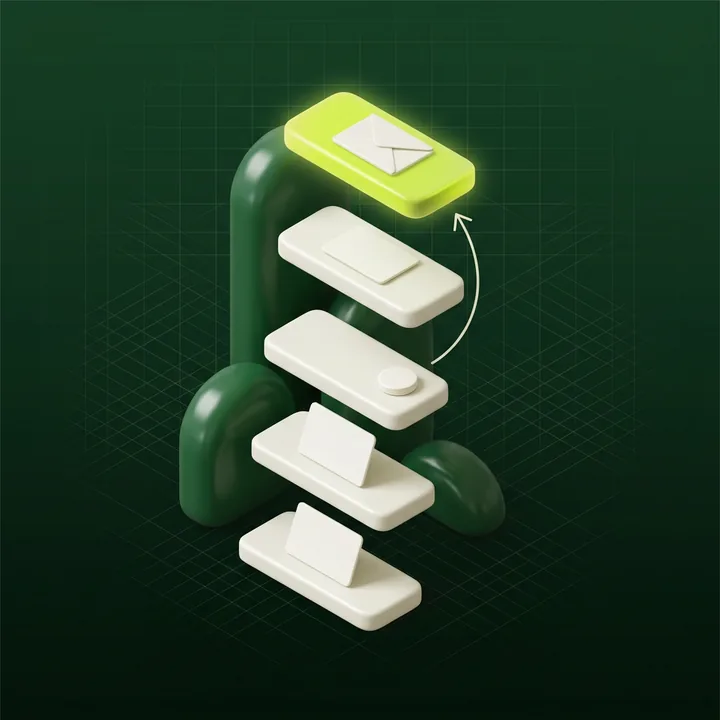
If you set them in more than one place, Google uses this order, strongest first: product feeds in Merchant Center, Content API settings, settings in Merchant Center or Search Console, product-level markup, then organization-level markup. Page markup sits near the bottom. We set the strong source first and mirror it in the page.
Source: Google: merchant listing, precedence
Variants, identifiers and currencies
Products with sizes or colours use ProductGroup with variesBy and hasVariant. Google asks for every GTIN that applies, in numeric form, and one URL per currency. Shopify Catalog reads the barcode field too. Your market setup decides the URL rule, so we check each store.
Source: Google: merchant listing structured data
The gaps Shopify names itself
Shopify says breadcrumbs, FAQs and return policies usually need adding by hand or with an app. We add the ones that help. We leave the sitemap, robots file, canonicals and Catalog sync alone, because Shopify runs them.
Source: Shopify: ecommerce schema guide
How we check
The checks, in order
You can run each of these checks yourself.
Read what is really printed
We fetch the rendered product, collection and home pages and list every JSON-LD and microdata block, with the theme or app that wrote it.
Compare with the visible page
Name, image, price and stock in the markup against what a shopper sees. Any difference is logged with its value.
Compare with Merchant Center
Prices, identifiers, shipping and returns, using the order of sources above, so we know which one wins.
Fix in a copy of your theme
One clean graph, duplicate blocks removed, fields bound to product data and metafields. You review the diff before anything goes live. Product markup stays in the first HTML, since Google warns that JavaScript-built markup can make Shopping crawls less frequent and less reliable.
Test and write it down
The Rich Results Test on a sample, URL Inspection on a few pages, and a dated log of every result. Google says valid markup does not promise a rich result, and we say the same.
Check again after changes
Themes and apps update. We repeat the first three checks after the next theme or app change that touches product pages.
Is it for you
When this work pays, and when it does not
It is worth it if
- Search Console or Merchant Center shows price or availability mismatches.
- Two or more apps print markup on your product pages.
- You sell variants and want them grouped as one product.
- You want return and shipping details read from one trusted source.
Skip it if
- Your theme prints one clean product block and Merchant Center shows no issues.
- You want a promise of citations or rankings. Google and Shopify both say none of this is guaranteed.
- You only want FAQ rich results. Google no longer shows them.
- You only need markup printed. A schema app does that, though it will not tell you which blocks disagree.
Questions
Questions, answered
Does Shopify add schema markup automatically?
Yes for products and blog posts, in themes that use the structured_data filter, which Dawn does. It prints a Product, or a ProductGroup when there are variants. Shopify says the default covers only the basics and that breadcrumbs, FAQs and return policies usually need adding.
Is schema markup a ranking factor?
Google describes structured data as the way to become eligible for rich results, and says it is not required for its AI features. The Google pages we opened make no ranking claim for it, so we make none either.
Will adding schema get my products cited by ChatGPT or Google AI?
The best controlled test we found says no meaningful lift. Ahrefs tracked 1,885 pages that added JSON-LD. AI Mode and ChatGPT citations changed by amounts that could be chance, and AI Overviews citations fell 4.6 percent more than on the matched pages, though both groups were falling. Other studies show links between markup and citations, but they cannot rule out that better-run sites do both.
What is the difference between Product and ProductGroup?
Product describes one item. ProductGroup describes a parent with variants. It uses variesBy to name what changes, such as size, and hasVariant to list each variant. Google uses it to understand that the variants belong together.
Do I need GTINs?
Google recommends every GTIN that applies, in numeric form, using the most specific property such as gtin13. Shopify Catalog also reads the barcode field. Use the real GTIN from the manufacturer or GS1. Never invent one.
Where should return and shipping policies live?
In the strongest source Google reads. Product feeds in Merchant Center come first, then Content API settings, then settings in Merchant Center or Search Console. Product-level markup is fourth and organization-level markup last. We set the top source and mirror it on the page.
Should the markup be added with JavaScript or an app script?
Google recommends Product markup in the initial HTML. It says JavaScript-built markup can make Shopping crawls less frequent and less reliable. A 2024 Vercel study also found that GPTBot and ClaudeBot fetched JavaScript files without running them. That data is from December 2024, so treat it as a dated note.
Is FAQPage markup still worth adding?
Not for Google rich results. Google stopped showing the FAQ rich result on 7 May 2026 and removed its documentation in June. Keep real questions on the page for shoppers, and use the free Shopify Knowledge Base app to control what AI shopping agents are told about your store.
Keep reading
Related pages.
Sources (17 pages, all opened on 2026-10-18)
- Google: optimizing for generative AI features on Search
- Google Search documentation updates (FAQ rich result end, 2026 changes)
- Google: merchant listing structured data
- Google: product variant structured data
- Google: Organization structured data
- Google: AI features and your website
- Schema.org: sameAs
- Shopify Dev: structured_data filter
- Shopify Dawn theme: main-product.liquid
- Shopify blog: ecommerce schema guide
- Shopify Dev: hreflang tags in themes
- Shopify Help: Shopify Catalog
- Shopify Help: Catalog requirements
- Shopify Help: optimizing your store for AI (Knowledge Base app)
- Live check: brooklinen.com/llms.txt
- Ahrefs: 1,885 pages adding schema
- Vercel: the rise of the AI crawler (December 2024)
Want a straight read of what your store says?
Tell us your store and the apps on it. We scope the work after looking at the store, and we will say whether it is worth doing for you and what it would cover.